Rosacea Treatment in Raleigh, NC: Calm Redness and Strengthen Sensitive Skin
Calm the redness and rebuild a resilient skin barrier
- Common In:
- Adults 30 to 60, fair skin
- Primary Causes:
- Vascular, immune, Demodex, genetics
- Treatment Time:
- 30 to 75 minutes
- Results:
- 2 to 6 weeks
What Is Rosacea and Facial Redness?
Recognizing the Signs
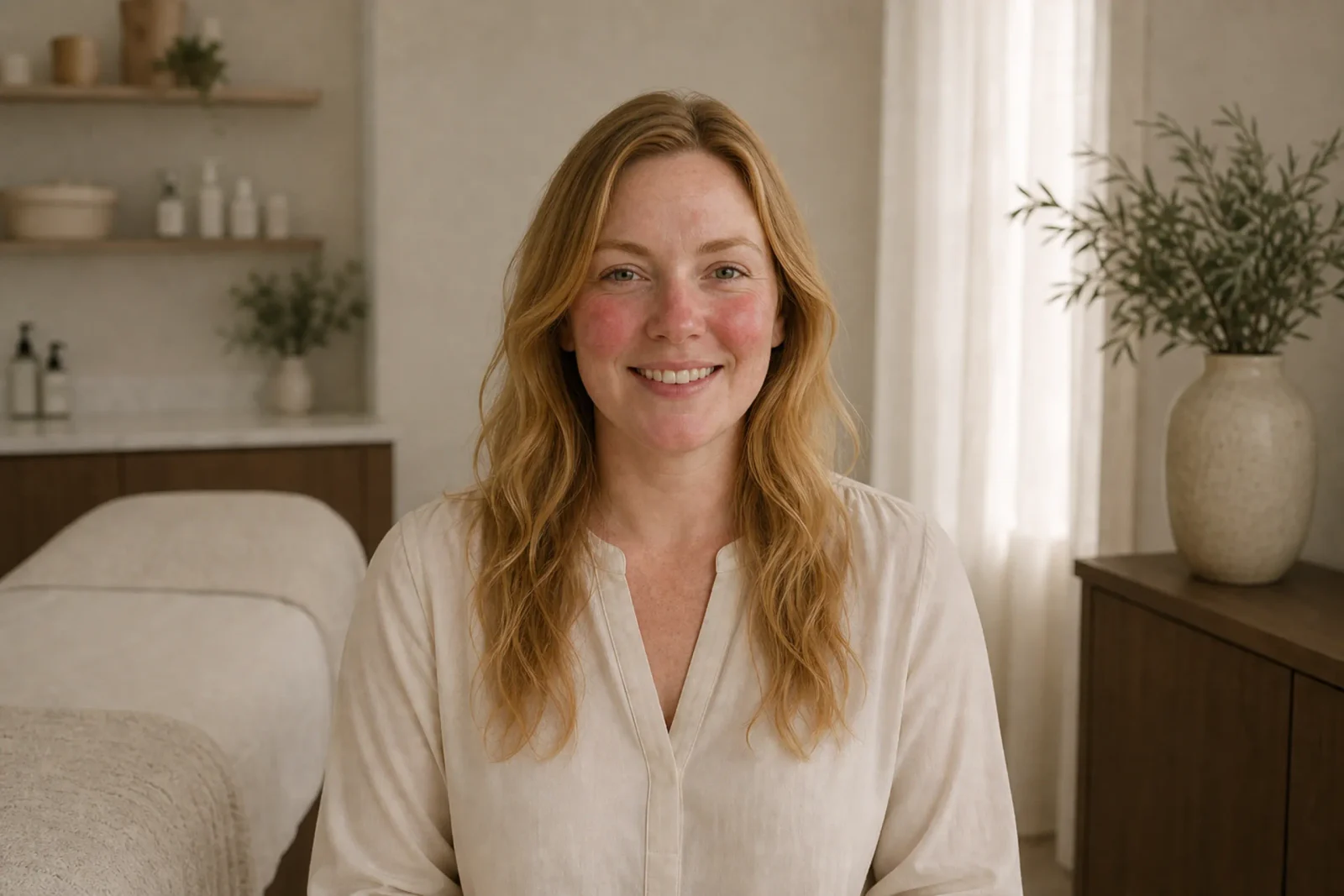
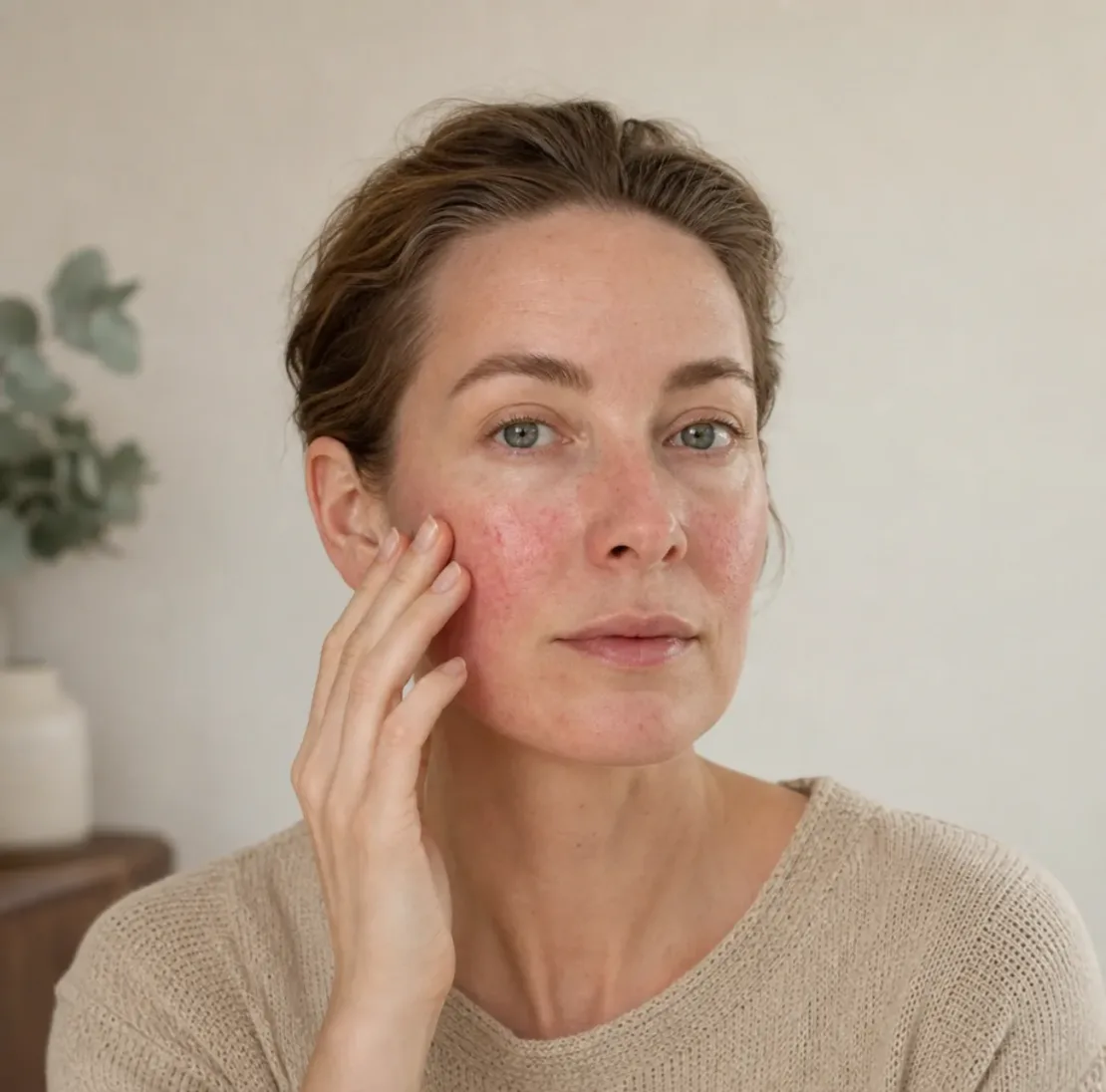
Rosacea is a chronic inflammatory skin condition affecting the central face, producing persistent redness across the cheeks, nose, chin and forehead, along with visible blood vessels, flushing episodes and sometimes acne like bumps. It is not acne and it does not respond to acne treatment.
It usually appears between 30 and 60 and is more visible in fair skin, though it occurs across all skin tones and is frequently missed in deeper skin where the redness reads as darkening rather than flushing. It runs in families and it tends to progress slowly if nothing changes.
At The Haven Wellness Retreat in Raleigh, NC we approach facial redness with red light therapy and a soothing protocol within our facials menu, both chosen specifically because they calm rather than provoke reactive skin.
Why Rosacea Happens
Understanding the Root Causes
01The Science
Rosacea is not one mechanism but several running together. The blood vessels of the central face become hyper reactive, dilating too readily and taking too long to return to baseline, which is why flushing episodes gradually leave behind permanent visible redness.
The immune system contributes too. People with rosacea show elevated levels of certain inflammatory peptides in the skin, producing a low grade inflammatory state that reacts to triggers most skin ignores. Demodex mites, which live harmlessly on everyone's skin, are present in higher densities in rosacea and appear to drive part of that immune response.
A compromised skin barrier ties it together: rosacea skin loses water more readily and lets irritants in more easily, which is why aggressive skincare so often makes it worse. The American Academy of Dermatology is a reliable reference on the condition.
02Deeper Understanding
Why Aggressive Skincare Makes Rosacea Worse
How Barrier Damage Drives the Cycle
The instinct with problem skin is to treat it harder: stronger acids, more exfoliation, an anti acne routine aimed at the bumps. With rosacea this reliably backfires, and it is the single most common mistake we see.
Rosacea skin already has a compromised barrier. Layering glycolic acid, benzoyl peroxide, physical scrubs and high strength retinoids onto it strips further, increases water loss, and lets in more of the irritants that trigger the inflammatory response. The skin gets redder, which prompts more aggressive treatment, and the cycle tightens.
The approach that works runs the other way. Gentle cleansing, barrier repair ingredients such as ceramides and niacinamide, rigorous daily sun protection, and treatments chosen for their calming effect rather than their intensity. This is exactly why we route rosacea clients toward LED and soothing facials rather than resurfacing.
What Triggers a Rosacea Flare?
Triggers are highly individual, but these are the ones clients identify most consistently.
- 01Sun ExposureThe most commonly reported trigger of all, and the one that matters most in a North Carolina summer.
- 02Heat and HumidityHot showers, saunas, hot weather and hot drinks all dilate facial vessels and provoke flushing.
- 03Alcohol and Spicy FoodRed wine in particular is a classic trigger, along with capsaicin containing spicy dishes.
- 04Emotional StressStress driven flushing is one of the most frequently reported triggers and one of the hardest to avoid.
- 05Harsh SkincareAlcohol based toners, physical scrubs, high strength acids and fragrance are common aggravators.
- 06Temperature SwingsMoving between cold outdoor air and heated indoor air repeatedly stresses reactive facial vessels.

Why Choose The Haven Wellness Retreat for Rosacea Care in Raleigh, NC
Reactive skin needs a provider who will hold back rather than reach for the strongest option available.
- Calming Not Stripping
- Protocols chosen for their soothing effect rather than their intensity
- Licensed Esthetician
- Kaydence works with reactive skin and adjusts to how it responds
- Barrier First Advice
- We tell you what to stop using as readily as what to start
- Dermatology Referral
- We refer clearly when prescription treatment is the right next step
Treatment Options Comparison
Compare the gentle treatments at The Haven suited to rosacea and reactive, easily flushed skin.
| Treatment | Best For | Session Time | Results Timeline | Maintenance |
|---|---|---|---|---|
| Red Light Therapy | Calming inflammation | 30 to 60 minutes | 2 to 4 weeks | 2 to 3 times weekly |
| Custom Facials | Barrier support and hydration | 60 to 75 minutes | Same day | Monthly |
| BioMat Far Infrared Therapy | Stress driven flushing | 30 to 90 minutes | Same session | Weekly |
You May Have Rosacea If...
Rosacea is frequently mistaken for sensitive skin or adult acne for years before it is recognized.
Persistent Central Redness
Redness across the cheeks and nose that stays rather than coming and going.
Easy Flushing
You flush readily from heat, alcohol, spice or stress, and it takes a long while to settle.
Visible Blood Vessels
Fine threadlike vessels visible across the cheeks and around the nose.
Stinging With Products
Skincare that other people tolerate stings, burns or leaves you red for hours.
Bumps Without Blackheads
Acne like papules but no blackheads, which is a key distinction from true acne.
Eye Irritation
Gritty, dry or irritated eyes and eyelid margins alongside the facial symptoms.

Explore More Related Services
Experience the Custom Facials Difference
Seven facial types plus jelly mask, LED and dermaplaning add ons, chosen for your skin.
- Assessed Every Visit
- Seven Protocols
- Professional Extraction
Explore More Related Services
Experience the Dermaplaning Difference
The Dermaplaning Glow, 75 minutes of blade exfoliation for smooth skin and flawless makeup.
- Immediate Results
- No Downtime
- Removes Vellus Hair
Explore More Related Services
Experience the Microdermabrasion Difference
Advanced 90 minute mechanical resurfacing for renewed, radiant skin with no downtime.
- Immediate Brightness
- No Downtime
- No Chemicals



Your Questions
Frequently Asked Questions
Can I prevent rosacea from getting worse?
How do I know which treatment is right for me?
How quickly will I see improvement?
Is it normal for redness to appear in my thirties?
Can weather affect my rosacea?
What can I do at home between treatments?
Can multiple treatments be combined?
When should I see a dermatologist about rosacea?
Schedule Today Your Rosacea and Facial Redness Consultation
Scientific References
- Couturaud et al., Skin Res Technol. (2023). Reverse skin aging signs by red light photobiomodulation. PMID: 37522497.
- Glass et al., Aesthet Surg J. (2021). Photobiomodulation: The Clinical Applications of Low-Level Light Therapy. PMID: 33471046.
- Mineroff et al., J Am Acad Dermatol. (2024). Photobiomodulation CME part II: Clinical applications in dermatology. PMID: 38307144.
- Elbuluk et al., Am J Clin Dermatol. (2021). The Pathogenesis and Management of Acne-Induced Post-inflammatory Hyperpigmentation. PMID: 34468934.
- American Academy of Dermatology. (2024). Rosacea overview covering signs, triggers, treatment options and skin care guidance.