
Pelvic Floor Therapy in Raleigh, NC: Regain Bladder Control Without Surgery
Regain control without surgery, needles or undressing
- Common In:
- Women after birth and menopause
- Primary Causes:
- Childbirth, aging, hormonal change
- Treatment Time:
- 28 minutes per session
- Results:
- After 2 to 3 sessions


What Is Pelvic Floor Therapy?
Recognizing the Signs
Pelvic floor therapy strengthens the sling of muscles that runs between your pubic bone and tailbone, supporting the bladder, bowel and uterus. When those muscles weaken, the result is usually leaking with coughing, sneezing, laughing or exercise, or a sudden urgency that leaves very little warning.
Roughly one in three women experiences urinary incontinence at some point, and the number climbs after childbirth and after menopause. It is extremely common and almost never discussed, which is why so many people assume it is simply something to live with.
At The Haven Wellness Retreat in Raleigh, NC we address pelvic floor weakness with Emsella, a chair you sit on fully clothed while high intensity focused electromagnetic energy contracts the pelvic floor thousands of times per session. Nothing is inserted and nothing is removed.
Why Pelvic Floor Weakness Happens
Understanding the Root Causes
01The Science
The pelvic floor is skeletal muscle, and like any muscle it responds to load, injury and disuse. Pregnancy places months of sustained downward pressure on it, and vaginal delivery can stretch or tear the muscle and the nerves that supply it. Recovery is not automatic.
Menopause adds a second mechanism. Falling estrogen thins the tissues of the urethra and vaginal wall and reduces the muscle bulk that keeps the urethra closed under pressure. This is why symptoms often appear or worsen in the years around menopause even in women who had no problems after childbirth.
Chronic strain does the rest: persistent coughing, repeated heavy lifting, long term constipation and higher body weight all raise intra abdominal pressure against a floor that is already working hard. The National Institute of Diabetes and Digestive and Kidney Diseases covers the medical picture in more detail.
02Deeper Understanding
Stress Incontinence vs Urge Incontinence
Why the Distinction Changes the Approach
These are two different problems and it matters which one you have. Stress incontinence is leaking triggered by pressure: a cough, a sneeze, a jump, a laugh. The bladder is fine, the closure mechanism simply cannot hold under the sudden load. This is the pattern most closely tied to pelvic floor muscle weakness.
Urge incontinence is different. Here the bladder muscle contracts when it should not, producing a sudden overwhelming need to go and often a leak before you reach a bathroom. Many people have a mix of both, which is called mixed incontinence and is the most common presentation of all.
Pelvic floor strengthening helps clearly with stress incontinence and helps a meaningful proportion of people with urgency too, because a stronger floor gives better reflex inhibition of an overactive bladder. What it does not do is treat neurological causes, infection or obstruction, which need a physician rather than a device.
What Makes Pelvic Floor Weakness Worse?
Several everyday factors accelerate pelvic floor weakness or make existing symptoms harder to manage.
- 01ChildbirthVaginal delivery can stretch or injure both the muscle and its nerve supply, particularly after a long labor or an instrumental delivery.
- 02MenopauseFalling estrogen thins urethral and vaginal tissue and reduces the muscle bulk that keeps the urethra closed under pressure.
- 03Chronic ConstipationRepeated straining places sustained downward load on the pelvic floor, and it is one of the most modifiable factors on this list.
- 04High Impact ExerciseRunning, jumping and heavy lifting raise intra abdominal pressure sharply, which is why symptoms often surface at the gym first.
- 05Persistent CoughingSmoking, asthma and chronic respiratory conditions produce years of repeated pressure spikes against the pelvic floor.
- 06Excess Body WeightAdditional weight increases baseline intra abdominal pressure, and weight change is one of the few things shown to shift symptoms.

Why Choose The Haven Wellness Retreat for Pelvic Floor Therapy Care in Raleigh, NC
This is a topic most people never raise, so how the conversation happens matters as much as the treatment itself.
- Fully Clothed
- Emsella requires no undressing at all, which is why many clients finally book
- Private Room
- Your own room with the door closed for the full 28 minute session
- Certified Team
- Screening for implants and contraindications before any course begins
- Honest Referral
- We say plainly when your physician should be involved first
Treatment Options Comparison
Compare the pelvic floor and intimate wellness treatments available at The Haven to find the right starting point.
You May Have Pelvic Floor Weakness If...
Most people recognize several of these before they ever raise it with anyone.
Leaking With Pressure
You leak when you cough, sneeze, laugh, jump or lift something heavy.
Sudden Urgency
You get very little warning, and sometimes do not make it in time.
Bathroom Mapping
You know where every bathroom is on your usual routes, and you plan around them.
Pads Just in Case
You wear a liner or pad routinely rather than occasionally, and have done for a while.
Avoiding Exercise
You have stopped running, jumping or joining certain classes because of what happens.
Night Waking
You are getting up more than once a night to use the bathroom.


Explore More Related Services
Experience the Emsella Difference
Sit fully clothed while HIFEM technology contracts the pelvic floor thousands of times.
- Stay Fully Clothed
- Thousands of Kegels
- FDA Cleared
Explore More Related Services
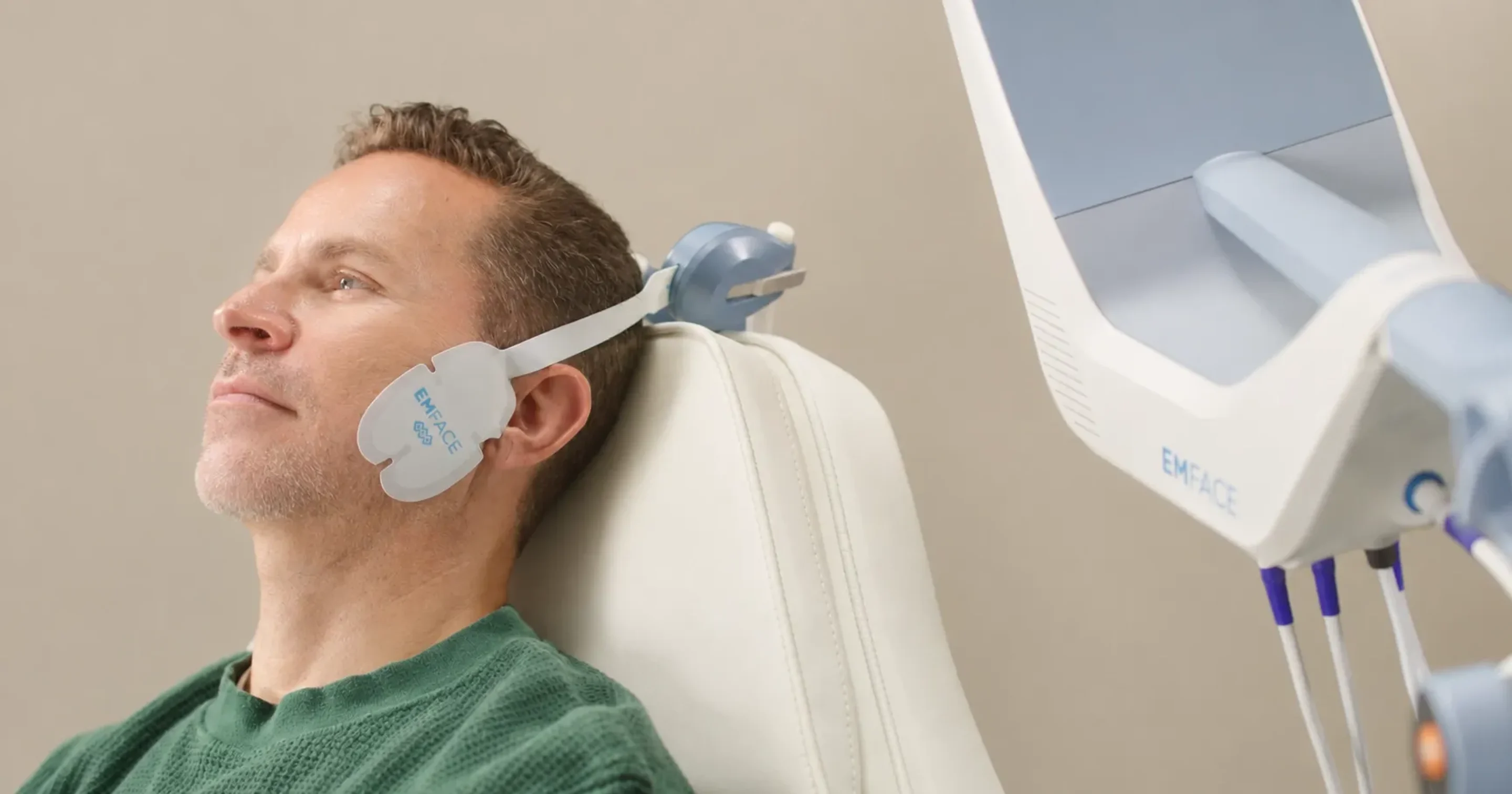
Experience the Emface Difference
Synchronized radiofrequency and facial muscle stimulation, with no needles and no downtime.
- No Needles
- Twenty Minutes
- FDA Cleared
Explore More Related Services
Experience the RF Microneedling Difference
Exion Face and Body radiofrequency microneedling across face, neck, body and hands.
- Works at Depth
- Face and Body
- Collagen Remodeling



Your Questions
Frequently Asked Questions
Can I prevent pelvic floor weakness from getting worse?
How do I know which treatment is right for me?
How quickly will I see improvement?
Is it normal for this to happen as I age?
Do Kegel exercises actually work?
What can I do at home between treatments?
Can multiple treatments be combined?
When should I see a physician about this?
Schedule Today Your Pelvic Floor Therapy Consultation
Scientific References
- Alouini et al., Int J Environ Res Public Health. (2022). Pelvic Floor Muscle Training for Urinary Incontinence with or without Biofeedback or Electrostimulation in Women: A Systematic Review. PMID: 35270480.
- Samuels et al., Lasers Surg Med. (2019). Safety and Efficacy of a Non-Invasive High-Intensity Focused Electromagnetic Field (HIFEM) Device for Treatment of Urinary Incontinence and Enhancement of Quality of Life. PMID: 31172580.
- Long et al., Biomedicines. (2024). Effect of High-Intensity Focused Electromagnetic Technology in the Treatment of Female Stress Urinary Incontinence. PMID: 39767789.
- Silantyeva et al., Female Pelvic Med Reconstr Surg. (2021). A Comparative Study on the Effects of High-Intensity Focused Electromagnetic Technology and Electrostimulation for the Treatment of Pelvic Floor Muscles and Urinary Incontinence in Parous Women: Analysis of Posttreatment Data. PMID: 31860567.
- National Institute of Diabetes and Digestive and Kidney Diseases. (2021). Causes, types and treatment of bladder control problems in women.