
Hyperpigmentation Treatment in Raleigh, NC: Even Tone and Fade Dark Spots
Even your tone and fade dark spots with a realistic plan
- Common In:
- Adults, all skin tones
- Primary Causes:
- Sun, hormones, inflammation
- Treatment Time:
- 60 to 90 minutes
- Results:
- 6 to 12 weeks
What Is Hyperpigmentation and Melasma?
Recognizing the Signs
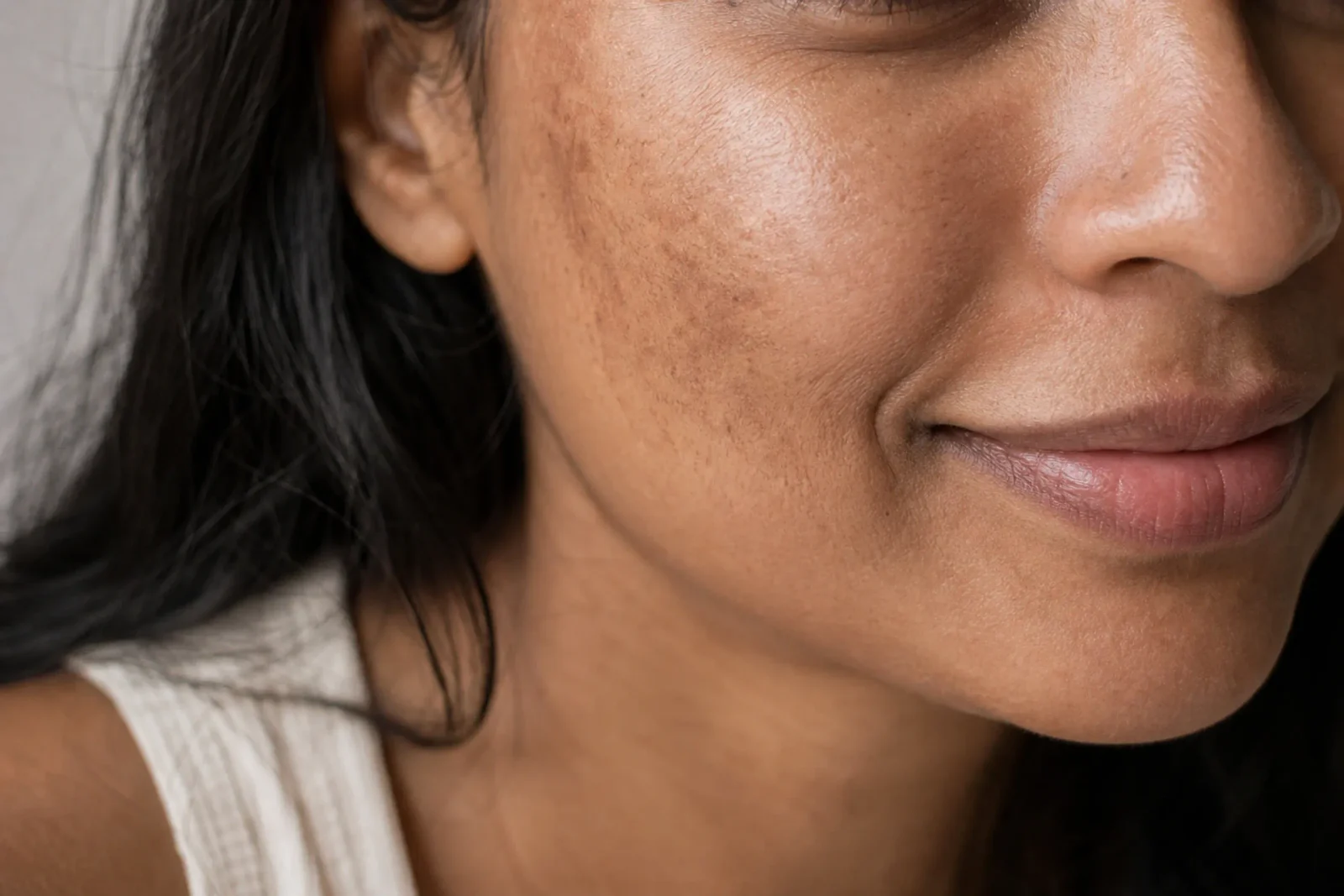
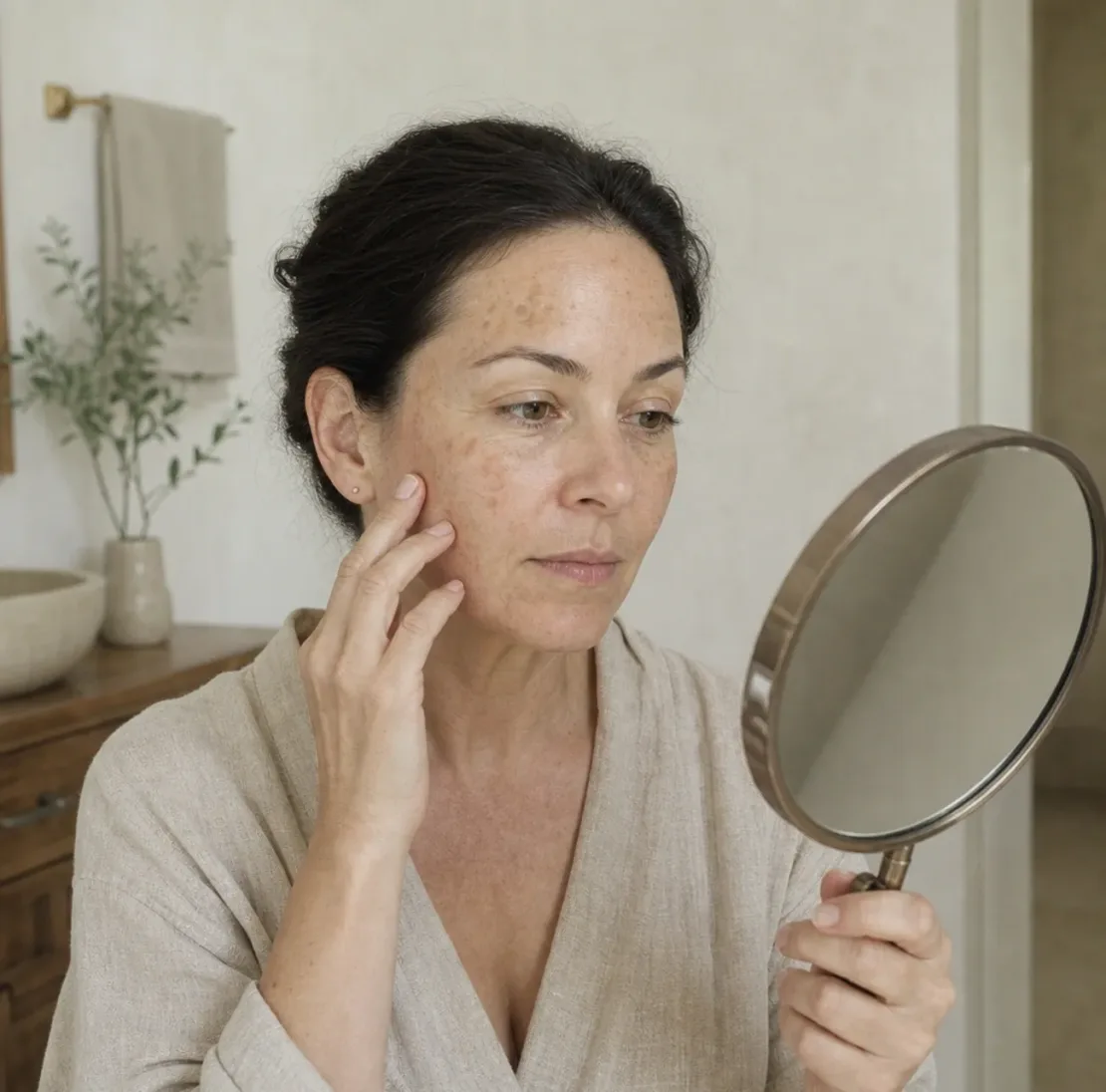
Hyperpigmentation is the darkening of patches of skin caused by excess melanin, the pigment that gives skin its color. It shows up as sun spots, post inflammatory marks left behind by acne, or melasma, the symmetrical brown patches that typically appear across the cheeks, forehead and upper lip.
The distinction matters because the treatments differ. Sun spots sit relatively superficially and respond well to resurfacing. Melasma often involves pigment deeper in the skin and is notoriously prone to rebounding when treated too aggressively.
At The Haven Wellness Retreat in Raleigh, NC we address pigmentation with microdermabrasion for surface renewal and brightening protocols within our facials menu, alongside the sun protection that determines whether any of it holds.
Why Hyperpigmentation Happens
Understanding the Root Causes
01The Science
Melanocytes, the pigment producing cells in the lower epidermis, respond to a range of signals by producing more melanin. Ultraviolet exposure is the most powerful of these, which is why sun spots accumulate on the face, chest and hands over decades and why pigmentation is worse after a Carolina summer.
Hormones drive melasma specifically. Estrogen and progesterone stimulate melanocyte activity, which is why melasma is so strongly associated with pregnancy, oral contraceptives and hormone therapy, and why it affects women far more than men. Evidence based reviews of melasma treatment consistently emphasize how difficult it is to clear permanently.
Inflammation is the third route. Any injury to the skin, acne lesions, an aggressive treatment, a burn or a rash, can leave post inflammatory hyperpigmentation as it heals. This is more pronounced in deeper skin tones, which is precisely why over aggressive treatment is counterproductive. See the American Academy of Dermatology for detail.
02Deeper Understanding
Why Sun Protection Determines Everything
The Step That Makes or Breaks the Result
Every treatment for pigmentation competes against ultraviolet exposure, and without daily sun protection the exposure wins. This is the single most important thing to understand before spending money on treating dark spots.
Ultraviolet light directly stimulates the melanocytes you are trying to calm. Visible light matters too, particularly for melasma in deeper skin tones, which is why a tinted mineral sunscreen containing iron oxides outperforms a clear chemical sunscreen for this specific concern. Most people do not know this.
Practically: broad spectrum SPF 30 or higher every single day including winter and cloudy days, reapplied if you are outdoors, plus hats and shade during peak hours. In North Carolina that is a year round commitment. Clients who do this see results hold. Clients who do not see the same spots return within a season, and we would rather say that plainly before you book a course.
What Makes Hyperpigmentation Worse?
These are the factors that most reliably darken existing pigmentation or trigger new patches.
- 01Ultraviolet ExposureThe primary driver, and the reason pigmentation predictably worsens through a Carolina summer.
- 02Visible Light and HeatMelasma responds to visible light and heat as well as UV, which is why tinted mineral SPF outperforms clear formulas.
- 03Hormonal ChangePregnancy, oral contraceptives and hormone therapy all stimulate melanocyte activity and can trigger melasma.
- 04Skin InflammationAcne lesions, picking, burns and aggressive treatments leave post inflammatory marks as they heal.
- 05Over Aggressive TreatmentTreating pigmentation too hard causes inflammation, which produces more pigment. The cycle is self defeating.
- 06Certain MedicationsSome antibiotics, antimalarials and chemotherapy agents cause drug induced pigmentation changes.

Why Choose The Haven Wellness Retreat for Hyperpigmentation Treatment Care in Raleigh, NC
Pigmentation is the concern where over treating does the most damage, so restraint matters more than intensity.
- Conservative Settings
- We err gentle on darker skin tones rather than pushing intensity
- Honest About Melasma
- We explain plainly that melasma is managed, not cured, before you book
- Sun Protection First
- We will not start a course until your daily SPF habit is in place
- Dermatology Referral
- We refer for prescription options when topical and resurfacing is not enough
Treatment Options Comparison
Compare the treatments at The Haven that address pigmentation, dark spots and uneven skin tone.
| Treatment | Best For | Session Time | Results Timeline | Maintenance |
|---|---|---|---|---|
| Microdermabrasion | Surface pigmentation and sun spots | 90 minutes | 4 to 6 sessions | Every 6 to 8 weeks |
| Custom Facials | Brightening and overall tone | 60 to 75 minutes | 4 to 6 weeks | Monthly |
| Microneedling | Post inflammatory marks and texture | 45 minutes | 4 to 6 weeks | 4 to 6 weeks apart |
| Dermaplaning | Dullness and surface renewal | 75 minutes | Same day | Every 3 to 4 weeks |
Symmetrical Facial Patches
Brown patches appearing on both cheeks, the forehead or the upper lip in a mirrored pattern.
Sun Spots
Discrete brown spots accumulating on the face, chest, shoulders and backs of the hands.
Marks After Breakouts
Dark marks left behind where spots have healed, lasting months rather than weeks.
Seasonal Darkening
Existing patches that visibly darken through summer and lighten a little in winter.
Onset With Hormonal Change
Patches that appeared during pregnancy or after starting hormonal contraception.
Uneven Overall Tone
A general patchiness that makeup is increasingly being used to even out.



Explore More Related Services
Experience the Microdermabrasion Difference
Advanced 90 minute mechanical resurfacing for renewed, radiant skin with no downtime.
- Immediate Brightness
- No Downtime
- No Chemicals
Explore More Related Services
Experience the Custom Facials Difference
Seven facial types plus jelly mask, LED and dermaplaning add ons, chosen for your skin.
- Assessed Every Visit
- Seven Protocols
- Professional Extraction
Explore More Related Services
Experience the Dermaplaning Difference
The Dermaplaning Glow, 75 minutes of blade exfoliation for smooth skin and flawless makeup.
- Immediate Results
- No Downtime
- Removes Vellus Hair



Your Questions
Frequently Asked Questions
Can I prevent hyperpigmentation from getting worse?
How do I know which treatment is right for me?
How quickly will I see improvement?
Is it normal for dark spots to appear as I age?
Can sun exposure undo my results?
What can I do at home between treatments?
Can multiple treatments be combined?
When should I see a dermatologist about pigmentation?
Schedule Today Your Hyperpigmentation and Melasma Consultation
Scientific References
- McKesey et al., Am J Clin Dermatol. (2020). Melasma Treatment: An Evidence-Based Review. PMID: 31802394.
- Gan et al., Am J Clin Dermatol. (2024). An Update on New and Existing Treatments for the Management of Melasma. PMID: 38896402.
- Neagu et al., J Dermatolog Treat. (2022). Melasma treatment: a systematic review. PMID: 33849384.
- Shenoy et al., J Drugs Dermatol. (2020). Post-Inflammatory Hyperpigmentation: A Review of Treatment Strategies. PMID: 32845587.
- American Academy of Dermatology. (2024). Melasma overview covering causes, treatment options and the role of sun protection.