
Bloating Relief in Raleigh, NC: Support Digestion and Feel Lighter
Support your digestion and feel lighter, without laxatives
- Common In:
- Adults, more often women
- Primary Causes:
- Diet, transit time, gut bacteria
- Treatment Time:
- 60 minutes
- Results:
- Often same day


What Causes Bloating and Poor Digestion?
Recognizing the Signs
Bloating is the sensation of abdominal fullness and pressure, often accompanied by visible distension, and it is one of the most common digestive complaints there is. Surveys consistently find that a substantial share of adults experience it regularly, and women report it more often than men.
It is a symptom rather than a diagnosis. The same feeling can come from gas production, slow bowel transit, fluid shifts, altered gut bacteria, or a heightened sensitivity of the gut wall to normal volumes of contents. Several of those frequently run together.
At The Haven Wellness Retreat in Raleigh, NC we address bloating through colon hydrotherapy for immediate relief and through guided holistic detox programs that address the dietary and habit side over several weeks.
Why Bloating Happens
Understanding the Root Causes
01The Science
Gas is the most obvious mechanism. Bacteria in the colon ferment carbohydrates that were not absorbed higher up, producing hydrogen, methane and carbon dioxide. Certain foods, particularly fermentable carbohydrates found in beans, onions, wheat and some fruits, produce far more gas than others.
Transit time matters just as much. When stool moves slowly through the colon, there is more time for fermentation and more accumulated volume, which is why constipation and bloating so often travel together. Clinical guidance on chronic constipation in adults treats the two as closely linked.
Then there is sensitivity. Some people perceive normal volumes of gas as painful distension because the gut wall signals more intensely, a mechanism central to irritable bowel syndrome. There is also abdominophrenic dyssynergia, where the diaphragm drops and the abdominal wall relaxes, producing visible distension without much extra gas. The NIDDK covers the clinical picture.
02Deeper Understanding
Occasional Bloating vs a Pattern That Needs Investigation
Knowing Which One You Have
Occasional bloating after a large meal, a rich weekend or a period of travel is normal physiology. It resolves within a day or two, it tracks obviously with what you ate, and it does not come with anything else.
A persistent pattern is different. Daily or near daily bloating, distension that does not settle overnight, symptoms that have progressively worsened over months, or bloating that has changed in character all warrant investigation rather than management. So does bloating that started suddenly in someone over 50.
Certain features are red flags that need a physician promptly rather than a wellness plan: unintended weight loss, blood in the stool, persistent vomiting, difficulty swallowing, iron deficiency anemia, a family history of bowel or ovarian cancer, or new bloating with a change in bowel habit after 50. We screen for all of these and will decline treatment until they have been assessed.
What Makes Bloating Worse?
These are the factors clients most often identify once they start paying attention to the pattern.
- 01Fermentable CarbohydratesBeans, onions, garlic, wheat and certain fruits produce substantially more colonic gas than other foods.
- 02Eating QuicklyRushed meals mean swallowed air and poorly chewed food arriving in the gut, both of which add volume.
- 03Carbonated DrinksFizzy drinks introduce gas directly, and sugar alcohols in diet versions ferment readily in the colon.
- 04ConstipationSlow transit gives bacteria more time to ferment and leaves more volume in the colon at any moment.
- 05StressThe gut brain axis is not a metaphor. Stress alters motility and heightens gut sensitivity measurably.
- 06Hormonal CyclesFluid shifts and motility changes around menstruation produce predictable cyclical bloating for many women.

Why Choose The Haven Wellness Retreat for Bloating Relief Care in Raleigh, NC
Bloating responds to two different things, immediate relief and habit change, and we do both here.
- Certified Therapists
- I-ACT and nationally board certified colon hydrotherapists on the team
- Same Day Relief
- Most clients leave a colonic session feeling flatter and lighter
- Coaching Alongside
- Carrie P. builds the dietary and habit side that keeps results holding
- Honest Red Flag Screening
- We screen for warning signs and refer to a physician when needed
Treatment Options Comparison
Compare the treatments at The Haven that address bloating and support digestive comfort.
| Treatment | Best For | Session Time | Results Timeline | Maintenance |
|---|---|---|---|---|
| Colon Hydrotherapy | Immediate bloating relief | 60 minutes | Same day | Monthly or as needed |
| Holistic Detox Programs | Dietary and habit change | 2 to 4 weeks | 7 to 14 days | 2 to 4 times yearly |
| Infrared Sauna | Fluid balance and relaxation | 50 minutes | Same session | 2 to 3 times weekly |
| Massage | Stress driven gut symptoms | 60 minutes | Same session | Monthly |
You May Have Digestive Bloating If...
Most people describe some combination of the following before they seek help.
Waistband Tightness
Clothes that fit in the morning feel uncomfortably tight by the afternoon.
Visible Distension
Your abdomen visibly expands during the day and settles overnight.
Feeling Heavy
A persistent sensation of fullness and heaviness that is not really about hunger.
Irregular Bowel Habits
Infrequent, incomplete or unpredictable bowel movements alongside the bloating.
Post Meal Discomfort
Pressure and discomfort that reliably follows meals rather than occurring randomly.
Low Energy
A general sluggishness that tracks with your digestive symptoms rather than your sleep.


Explore More Related Services
Experience the Colon Hydrotherapy Difference
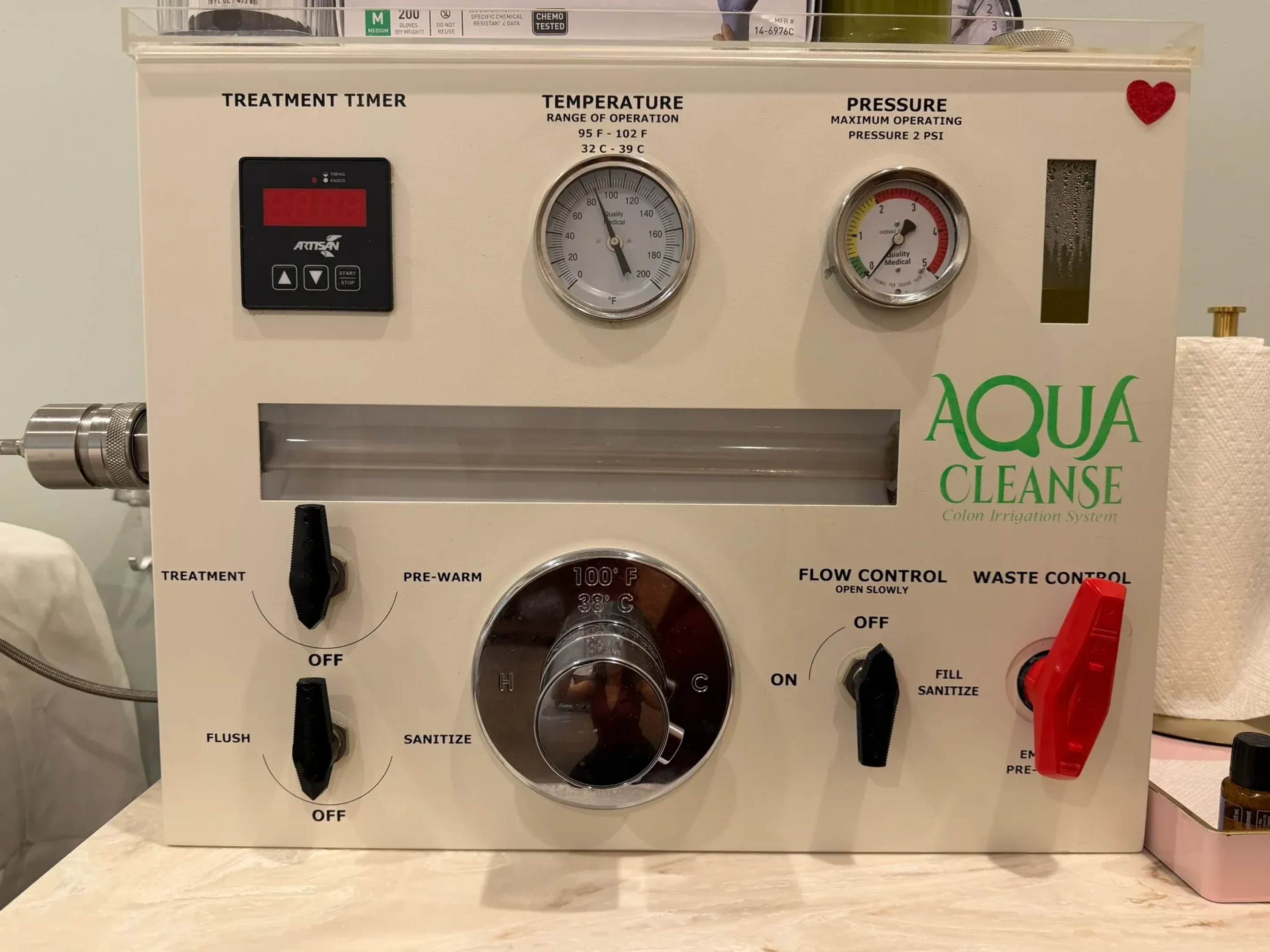
Closed-system colonic cleansing in a private, unhurried setting, guided by nationally certified therapists.
- Same-Day Relief
- Closed System
- No Downtime
Explore More Related Services
Experience the Holistic Detox Programs Difference
Organic supplements featuring the highest quality digestive care formulas.
- Expert Guidance
- VITAL PRO Naturals Cleanses
- Nutrient Supported
Explore More Related Services
Experience the Infrared Sauna Difference
Sunlighten cabin sessions that warm you through at a temperature you can actually sit in.
- Tolerable Temperature
- Deep Sweat
- No Downtime


Your Questions
Frequently Asked Questions
Can I prevent bloating from getting worse?
How do I know which treatment is right for me?
How quickly will I see improvement?
Is it normal for bloating to increase as I age?
Can stress affect bloating?
What can I do at home between treatments?
Can multiple treatments be combined?
When should I see a physician about bloating?
Schedule Today Your Bloating and Digestion Consultation
Scientific References
- Lacy et al., Clin Gastroenterol Hepatol. (2021). Management of Chronic Abdominal Distension and Bloating. PMID: 32246999.
- Drago et al., Dig Liver Dis. (2019). Gut microbiota, dysbiosis and colon lavage. PMID: 31358483.
- Rao et al., Nat Rev Gastroenterol Hepatol. (2016). Diagnosis and management of chronic constipation in adults. PMID: 27033126.
- Bazzocchi et al., Tech Coloproctol. (2017). Irrigation, lavage, colonic hydrotherapy: from beauty center to clinic?. PMID: 28091749.
- National Institute of Diabetes and Digestive and Kidney Diseases. (2021). Gas in the digestive tract: causes, symptoms and when to seek care.