
Acne Treatment in Raleigh, NC: Clearer Skin With Professional Care
Clearer skin with professional care and a realistic plan
- Common In:
- Teens and adults, especially women
- Primary Causes:
- Oil, follicle blockage, bacteria, hormones
- Treatment Time:
- 30 to 75 minutes
- Results:
- 6 to 12 weeks
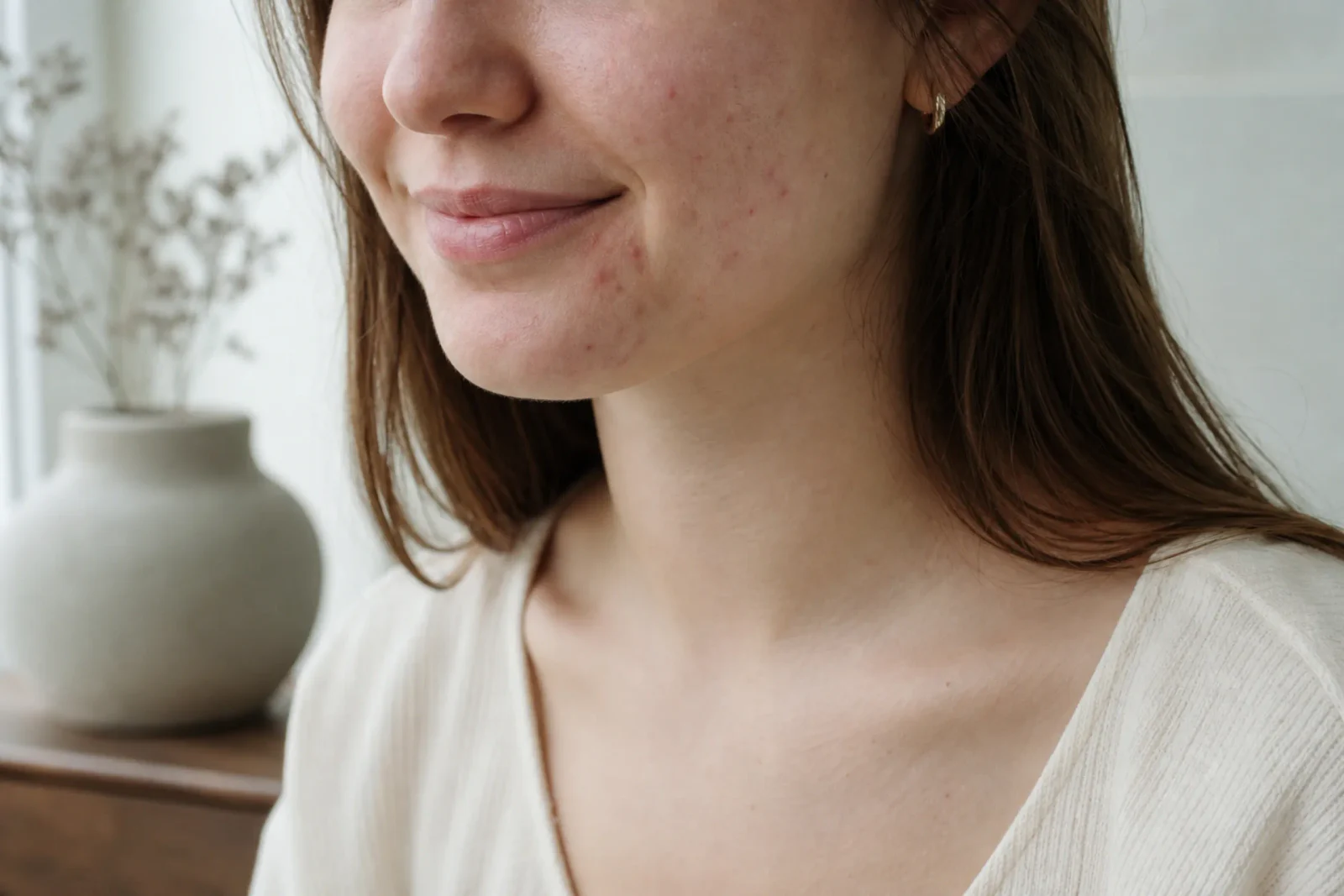
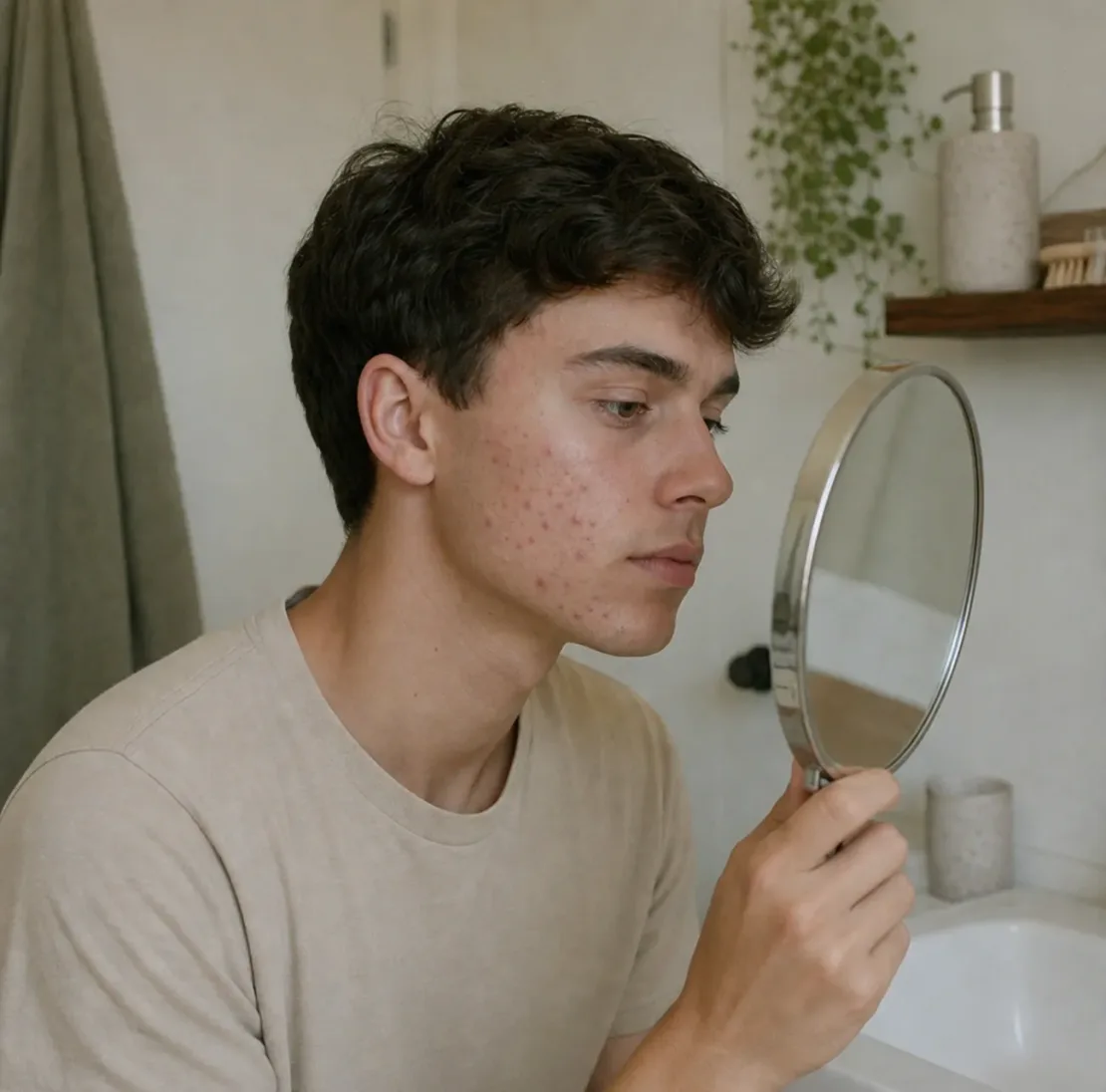
What Causes Acne and Breakouts?
Recognizing the Signs
Acne develops when four things happen together in a hair follicle: excess oil production, a buildup of dead skin cells blocking the follicle opening, overgrowth of Cutibacterium acnes bacteria, and the inflammatory response that follows. Remove any one and the process largely stops.
It is not confined to teenagers. Adult acne is common and disproportionately affects women, often appearing along the jawline and chin in a hormonally driven pattern that behaves quite differently from teenage acne across the forehead and nose.
At The Haven Wellness Retreat in Raleigh, NC we address active breakouts with clarifying protocols within our facials menu and with red light therapy, using the Celluma acne setting to target the bacterial and inflammatory components.
Why Acne Happens
Understanding the Root Causes
01The Science
Sebaceous glands attached to hair follicles produce sebum, and androgens increase that production. This is why acne typically begins at puberty and why it flares with hormonal shifts in adulthood, particularly around the menstrual cycle and in conditions such as polycystic ovary syndrome.
At the same time, the cells lining the follicle fail to shed normally and accumulate, forming a plug. That plug traps sebum, creating an oxygen poor environment where Cutibacterium acnes, a bacterium present on everyone's skin, proliferates. The immune response to that overgrowth produces the redness, swelling and pus of an inflamed lesion.
Genetics strongly influence how severe this gets. Diet plays a smaller but real role, with high glycemic load foods and possibly skim milk associated with worse acne in studies. Published guidelines of care for acne vulgaris set out the evidence, and the American Academy of Dermatology publishes patient guidance.
02Deeper Understanding
Why Picking Makes Everything Worse
Inflammation, Marks and Permanent Scarring
Every dermatologist says it and almost nobody listens, so it is worth explaining the mechanism rather than just repeating the instruction.
Squeezing a lesion ruptures the follicle wall beneath the surface, spilling its contents into the surrounding dermis. That triggers a much larger inflammatory response than the original spot, which is why a picked spot becomes bigger, redder and longer lasting. It also spreads bacteria across the surrounding skin.
The lasting consequences are the real problem. Post inflammatory hyperpigmentation, the dark mark left behind, correlates directly with how much inflammation occurred, and it lasts months. More seriously, deep follicle rupture destroys collagen and produces permanent atrophic scarring that no facial will fix. Professional extraction under magnification, performed on the right lesions at the right stage, avoids all of this.
What Makes Acne Worse?
These are the factors most reliably associated with more breakouts or slower clearing.
- 01Hormonal FluctuationAndrogens drive sebum production, which is why breakouts track the menstrual cycle for many women.
- 02Picking and SqueezingRuptures the follicle beneath the surface, increasing inflammation and causing permanent scarring.
- 03Comedogenic ProductsHeavy occlusive skincare and makeup block follicles directly, and this includes some hair products.
- 04High Glycemic DietFoods that spike blood sugar raise insulin and androgen activity, and studies associate this with worse acne.
- 05Friction and OcclusionHelmets, straps, phones and prolonged mask wearing produce mechanically driven breakouts.
- 06Over WashingStripping the skin drives compensatory oil production and damages the barrier, worsening the cycle.

Why Choose The Haven Wellness Retreat for Acne Treatment Care in Raleigh, NC
Acne needs a plan rather than a single appointment, and it needs honesty about when a dermatologist is the right call.
- Professional Extraction
- Cleared under magnification with correct technique rather than picked at home
- Celluma Acne Setting
- Blue wavelength LED targeting acne involved bacteria without drying the skin
- Barrier Aware Approach
- We do not strip the skin, which drives compensatory oil and worsens the cycle
- Dermatology Referral
- We refer cystic and nodular acne promptly rather than treating around it
Treatment Options Comparison
Compare the treatments at The Haven that address active breakouts and support clearer skin.
| Treatment | Best For | Session Time | Results Timeline | Maintenance |
|---|---|---|---|---|
| Custom Facials | Congestion and extraction | 60 to 75 minutes | Same day | Every 2 to 4 weeks |
| Red Light Therapy | Bacteria and inflammation | 30 to 60 minutes | 4 to 6 weeks | 2 to 3 times weekly |
| Microdermabrasion | Post acne marks and texture | 90 minutes | 4 to 6 sessions | Every 6 to 8 weeks |
| Microneedling | Scarring once acne is controlled | 45 minutes | 4 to 6 weeks | 4 to 6 weeks apart |
You May Have Active Acne If...
Acne presents in recognizable patterns that also hint at what is driving it.
Jawline Breakouts
Spots concentrated along the jaw and chin, the classic adult hormonal pattern.
Blackheads and Whiteheads
Comedones across the nose, forehead and chin, which distinguishes acne from rosacea.
Cyclical Flares
Breakouts that reliably appear at the same point in your monthly cycle.
Painful Deep Lesions
Tender bumps under the skin that never come to a head and last for weeks.
Marks Left Behind
Dark or red marks persisting for months after the spot itself has healed.
Oily Through the Day
Visible shine returning within hours of cleansing, particularly across the T zone.



Explore More Related Services
Experience the Custom Facials Difference
Seven facial types plus jelly mask, LED and dermaplaning add ons, chosen for your skin.
- Assessed Every Visit
- Seven Protocols
- Professional Extraction
Explore More Related Services
Experience the Dermaplaning Difference
The Dermaplaning Glow, 75 minutes of blade exfoliation for smooth skin and flawless makeup.
- Immediate Results
- No Downtime
- Removes Vellus Hair
Explore More Related Services
Experience the Microdermabrasion Difference
Advanced 90 minute mechanical resurfacing for renewed, radiant skin with no downtime.
- Immediate Brightness
- No Downtime
- No Chemicals



Your Questions
Frequently Asked Questions
Can I prevent acne from getting worse?
How do I know which treatment is right for me?
How quickly will I see improvement?
Is it normal to have acne as an adult?
Can diet affect my acne?
What can I do at home between treatments?
Can multiple treatments be combined?
When should I see a dermatologist about acne?
Schedule Today Your Acne and Breakouts Consultation
Scientific References
- Reynolds et al., J Am Acad Dermatol. (2024). Guidelines of care for the management of acne vulgaris. PMID: 38300170.
- Zaenglein et al., J Am Acad Dermatol. (2016). Guidelines of care for the management of acne vulgaris. PMID: 26897386.
- Diogo et al., Sensors (Basel). (2021). Effect of Blue Light on Acne Vulgaris: A Systematic Review. PMID: 34696155.
- Santer et al., Drug Ther Bull. (2023). Managing acne vulgaris: an update. PMID: 38154809.
- American Academy of Dermatology. (2024). Acne overview covering causes, treatment options and skin care guidance.